Contributing Author & Editorial Review
This article was authored and professionally reviewed to provide accurate, actionable financial insights.

GHC Funding
Contributing Author
Alyssa writes about real estate investing, debt-free strategies, and emerging trends in small business finance with a focus on practical insights.
Samantha Reyes
Senior Content Editor
Samantha specializes in editorial strategy, compliance review, and refining complex finance topics into accessible, reader-friendly guidance.
SBA 7(a) & 504 Highlights
- Loan amounts from $100,000 up to $15 million+ (program-dependent).
- Up to 90% financing for eligible acquisitions, real estate, and equipment.
- Use funds for working capital, refinance, expansion, and partner buyout.
- Longer terms (up to 25 years on real estate) to keep payments manageable.
Industrial Outdoor Storage Revolution 2025: How San Francisco Is Meeting the Growing Demand for IOS Facilities
- Industrial Outdoor Storage Revolution 2025: How San Francisco Is Meeting the Growing Demand for IOS Facilities
- What is Industrial Outdoor Storage (IOS)?
- Today’s Focus: Zoning Laws & Regulatory Challenges for New IOS Development
- 2025 IOS Demand Drivers in San Francisco
- Cash Flow Potential of IOS in San Francisco
- Zoning & Regulatory Challenges: Navigating the San Francisco Maze
- Case Studies: IOS Success Stories Fueling the Local Economy
- Financing IOS in 2025: Overcoming Traditional Hurdles
- Actionable Insights for Investors, Developers, and Lenders
- 2025 Outlook: Why IOS in San Francisco Outperforms Conventional Industrial
What is Industrial Outdoor Storage (IOS)?
IOS properties are characterized by their extensive paved, gravel, or compacted dirt lots and minimal building infrastructure. These sites are purpose-built or retrofitted for uses such as:
- Truck parking for last-mile delivery fleets
- Container storage for port overflow and logistics hubs
- Outdoor storage for construction and infrastructure equipment
- Laydown yards for contractors and utility companies
Today’s Focus: Zoning Laws & Regulatory Challenges for New IOS Development
As demand surges, San Francisco’s unique zoning requirements, environmental regulations, and urban land constraints create both headaches and opportunities for IOS developers and investors.
Need capital? GHC Funding offers flexible funding solutions to support your business growth or real estate projects. Discover fast, reliable financing options today!
⚡ Key Flexible Funding Options:
GHC Funding everages financing types that prioritize asset value and cash flow over lengthy financial history checks:
DSCR Rental Loan
- No tax returns required
- Qualify using rental income (DSCR-based)
- Fast closings ~3–4 weeks
SBA 7(a) Loan
- Lower down payments vs banks
- Long amortization improves cash flow
- Good if your business occupies 51%+
Bridge Loan
- Close quickly — move on opportunities
- Flexible underwriting
- Great for value-add or transitional assets
SBA 504 Loan
- Low fixed rates through CDC portion
- Great for construction, expansion, fixed assets
- Often lower down payment than bank loans
🌐 Learn More
For details on GHC Funding's specific products and to start an application, please visit our homepage:
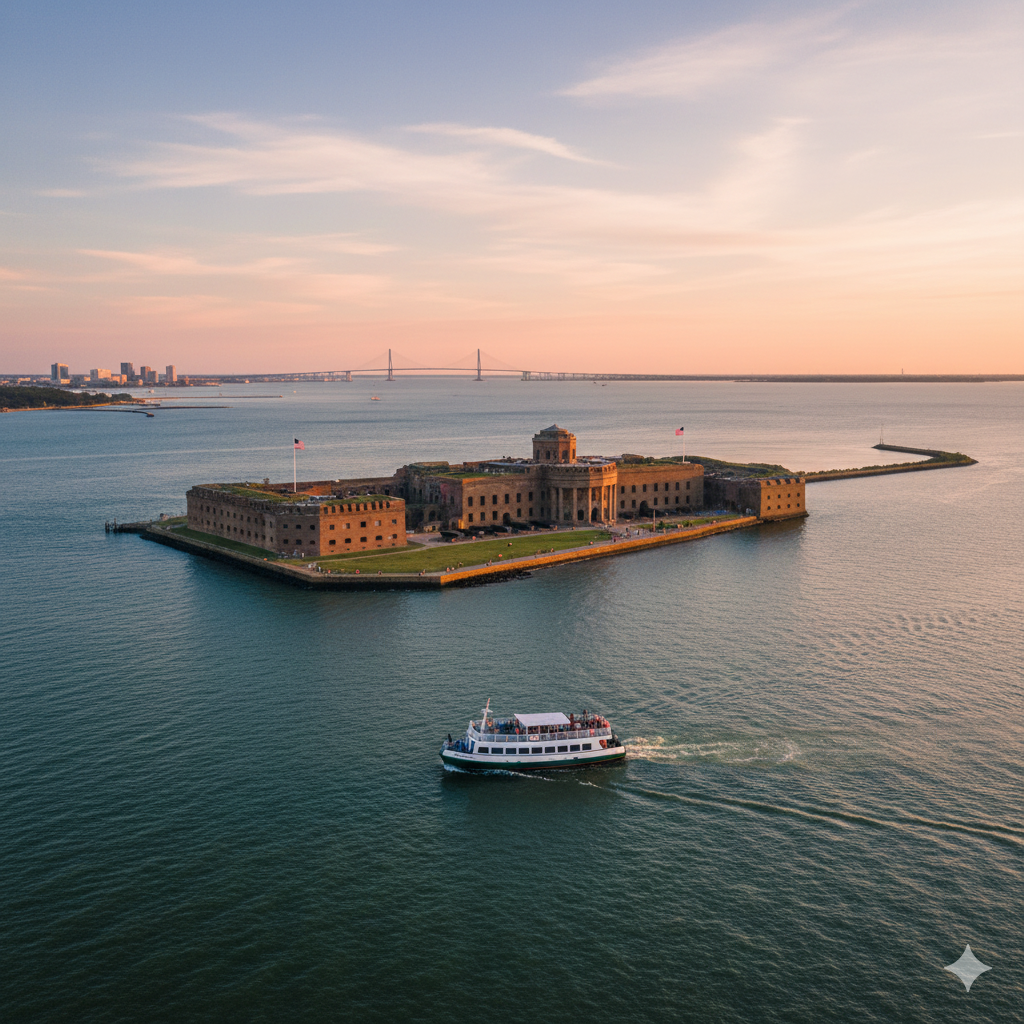
San Francisco’s Zoning Landscape for IOS
San Francisco’s industrial core has, over the decades, shrunk under residential and commercial redevelopment pressures. The remaining stock—mostly in areas like Bayview, Dogpatch, and South of Market—is tightly regulated:
- PDR (Production, Distribution, Repair) Zoning: The main zoning class allowing IOS, covering parts of southeastern SF, has strict limits on non-building uses.
- Conditional Use Permits: Most IOS facilities (e.g., truck yards, container depots) require conditional use permits, with robust environmental and traffic impact reviews.
- Environmental Restrictions: Due to proximity to the Bay and urban neighborhoods, stormwater management, noise abatement, and hours of operation are closely monitored.
Case Study: Conversion of a Legacy Rail Yard
In 2024, a former rail yard in the Dogpatch area was redeveloped as an IOS facility specializing in e-commerce package truck marshaling. The permitting process required more than 18 months of environmental studies, public hearings, and mitigation of legacy soil contaminants. Despite these hurdles, the site now commands one of the highest yields per paved acre in the Bay Area.
2025 IOS Demand Drivers in San Francisco
- E-Commerce Explosion: Rapid, same-day delivery commitments are driving unprecedented demand from Amazon, UPS, FedEx, and smaller regional fleets for overnight vehicle storage.
- Port & Logistics Overflow: The Port of San Francisco and nearby ports in Oakland contribute to a chronic shortage of container storage space, fueling IOS expansion inland.
- Infrastructure Investments: Major transit projects (Central Subway, seismic retrofits) generate consistent demand for secure laydown yards and equipment storage.
Cash Flow Potential of IOS in San Francisco
While IOS sites lack the traditional rent premiums of built warehouses, they routinely outperform their “bare land” perceptions. Key cash flow drivers in SF include:
- Premium rents: Limited supply and regulatory bottlenecks allow owners to command rents of $3.50 – $6 per square foot NNN for paved lots.
- Multi-tenant potential: Partitioned lots can serve several smaller tenants, such as delivery companies and construction firms.
- Low CapEx/OpEx: Minimal roofed structures reduce long-term maintenance and capital reserves.
- Triple-net leases: Tenants often assume all operating costs—rare for “land only” deals in other property sectors.
Zoning & Regulatory Challenges: Navigating the San Francisco Maze
Barriers to IOS Development
- PDR Conversion Bans: Recent moratoria and zoning overlays curbing conversion of PDR to IOS prevent new supply in key districts.
- Community Pushback: IOS is often viewed negatively due to visual blight, noise, and truck traffic—leading to activist and neighborhood resistance.
- Permit Timeline Uncertainty: New IOS projects in SF can require 2+ years for full entitlement—too slow for many logistics users.
Developers are increasingly forced to retrofit existing sites, seek lesser-known zoning categories, or pursue creative multi-use approaches (solar + storage, temporary modular office trailers, etc.).
Innovative Regulatory Workarounds
- Temporary Use Permits: Leveraged for “pop-up” logistics yards serving seasonal demand surges.
- Environmental Remediation Partnerships: Some owners join public-private programs to repurpose brownfield parcels as secure IOS—simultaneously cleaning up underutilized land and creating new industrial revenue streams.
Case Studies: IOS Success Stories Fueling the Local Economy
1. IPO-Backed Truck Parking Near the Bayview District
After the 2023 IPO of a major last-mile delivery firm, their parent company invested in a 12-acre IOS facility on the Bayview’s fringe. Despite lacking a significant operations building, the site is leased at a $1.3 million annual triple-net rate, with amenities limited to security fencing, LED floodlighting, and a modular office. This low-coverage property is now among the highest grossing per-acre assets in the submarket.
2. Construction Equipment Hub for SF’s Megaprojects
A local infrastructure contractor secured a long-term ground lease on a previously vacant, 6-acre PDR parcel. Their IOS installation serves as a laydown yard for billions of dollars in seismic, water, and transit upgrades regionally, paying above-market rents for secure access and 24/7 operations. The predictability of this income stream enabled a unique financing structure blending private credit and SBA-backed funds.
Financing IOS in 2025: Overcoming Traditional Hurdles
Why Banks Hesitate
- No Building, No Collateral? Many conventional lenders undervalue IOS because of low structural coverage ratios, perceiving high risk if the land is “just pavement with fencing.” Appraisals often ignore robust cash flows.
- Zoning Uncertainty: Bank risk teams flag the risk of regulatory non-compliance or sudden zoning changes that could impair cash flow.
Private Credit & Non-Bank Lenders Step Up
In 2025, private debt funds, credit unions, and debt funds specializing in non-traditional commercial assets are dominating the IOS lending space. Their edge:
- Underwriting Real Cash Flow: Focusing on contractual lease income rather than “replacement cost” or standard cap rates.
- Flexible Collateral Packages: Often willing to make higher-LTV loans against well-leased IOS—even for paved yards without improvements.
- Speed to Close: Agile underwriting suits tenants who must deploy logistics capital quickly.
SBA 504 Strategies for Bay Area IOS Investors
Many owner-users (e.g., construction companies, fleet operators) are leveraging SBA 504 loans to acquire IOS.
- 10% Down, Fixed Rates: Even “no building” land/yard purchases can qualify with proper documentation and appraisal support.
- Upgrades Included: Eligible improvements (stormwater, fences, security) can be financed within the 504 loan package.
- Partnering with Specialized CDCs: Local SBA Certified Development Companies (CDCs) familiar with IOS nuances can help structure compliant deals.
Actionable Insights for Investors, Developers, and Lenders
- Know the Zoning: Work closely with San Francisco’s planning staff and land use attorneys to identify legal paths for IOS deployment.
- Target Underutilized Parcels: Seek brownfields and legacy industrial plots where public-private cooperation is possible.
- Creative Lease Structures: Use staged leasing, temporary use permits, and shared-use agreements to bridge entitlement gaps.
- Strategic Financing Partnerships: Engage lenders and credit partners who understand—and value—the robust cash flow potential despite a lack of buildings.
Get a Free Rate Today
Compare our top-rated commercial and investment property loan programs below.
- No income verification
- 30-year fixed | Interest-only available
- Great for rental properties + STR
- Fast approvals
- Working capital + business acquisition
- Up to $5M
- Low down payment
- Long-term financing
- Owner-occupied CRE
- Low fixed rates | 25-year terms
- Great for business expansion
- Refinance available
- Best for stabilized properties
- Competitive rates
- 12–25 year terms
- Lower fees than private lenders
Compare Loan Types
Find the Right Financing for Your Real Estate or Business Project
| Loan Type | Best For | Rates | Terms | Highlights | Apply |
|---|---|---|---|---|---|
| DSCR Loan | Rental properties (LTR & STR) | 5.99%+ | 30-year fixed, IO options | No income docs, fast approvals, great for investors | Check My Rate |
| Construction Loan | Ground-up, fix & build, major renovations | 8%–12% depending on scope | 12–24 months interest-only | Flexible draws, great for builders & developers | Get a Quote |
| SBA Loan | Business acquisition, working capital, CRE | Prime + spread | 10–25 years | Lowest down payments, long terms, best for business growth | See My Options |
SBA Loan Requirements for Startups in Florida Now
GHC Funding Website Published: March 9, 2026 Categories: blog Reading Time: 3 minutes read Understanding SBA Loan Requirements for Startups in Florida:…
Read more →
“Prompt Engineering” Myth: How to Actually Talk to AI
GHC Funding Website Published: March 6, 2026 Categories: blog Reading Time: 4 minutes read 🗣️ The “Prompt Engineering” Myth: How to Actually…
Read more →
No-B.S. AI Guide to Work Less and Grow More in 2026 Now
GHC Funding Website Published: March 6, 2026 Categories: blog Reading Time: 5 minutes read 🚀 The No-B.S. Guide to AI for Small…
Read more →
No Doc DSCR Loans for Property in Florida Now
GHC Funding Website Published: March 5, 2026 Updated: March 6, 2026 Categories: blog Reading Time: 3 minutes read Unlocking Investment Potential: No…
Read more →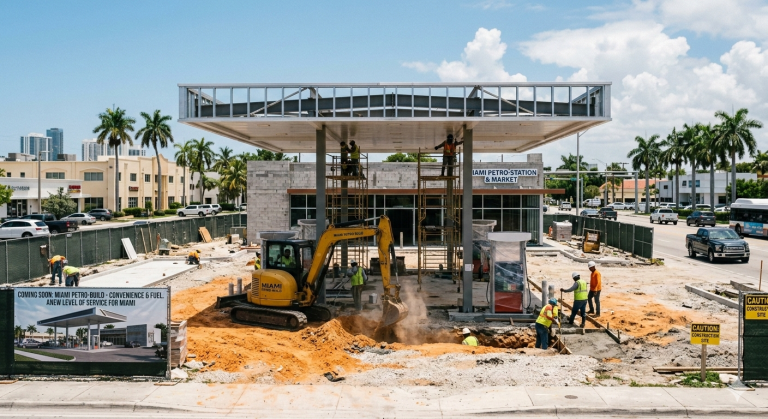
Construction Loan Lenders and Process in Florida Now
GHC Funding Website Published: March 5, 2026 Categories: blog Reading Time: 3 minutes read Unlocking Opportunities: Navigating Construction Loan Lenders in Florida…
Read more →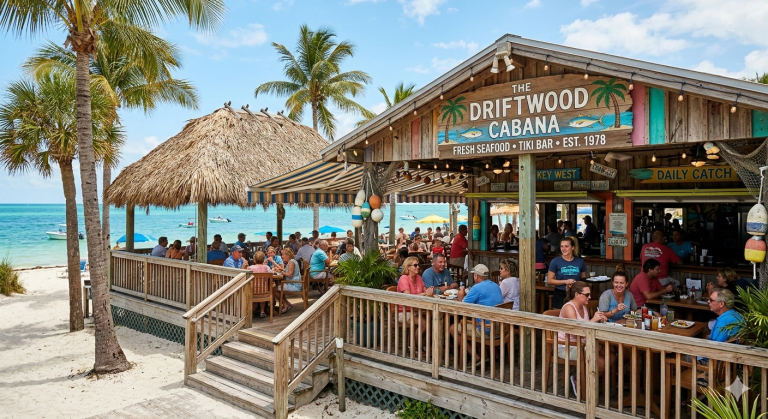
Get The SBA Express Loan Application in Florida Now
GHC Funding Website Published: March 5, 2026 Categories: blog Reading Time: 3 minutes read Simplifying the SBA Express Loan Application Process in…
Read more →2025 Outlook: Why IOS in San Francisco Outperforms Conventional Industrial
The “boring” world of low-coverage IOS sites is now where the most agile, highest-yield industrial investments are being made. As regulatory and logistical bottlenecks deepen, the ability to navigate San Francisco’s entitlement maze is a competitive advantage. Investors and developers who master both local nuances and innovative financing will tap into a sector estimated to see double-digit rental growth and the most resilient, recurring cash flows in Bay Area CRE.
Looking to acquire or finance an IOS property in San Francisco? Connect with local commercial debt specialists, explore SBA 504 options, and join the industrial outdoor revolution transforming America’s logistics hubs in 2025.
Get a No Obligation Quote Today.
Use these trusted resources to grow and manage your small business—then connect with GHC Funding
to explore financing options tailored to your needs.
GHC Funding helps entrepreneurs secure working capital, equipment financing, real estate loans,
and more—start your funding conversation today.
Helpful Small Business Resources